20/10/2026 13:14
Which Invitation Brought New Members? Telegram Link Tracking for Cambodian Embroidery Classes
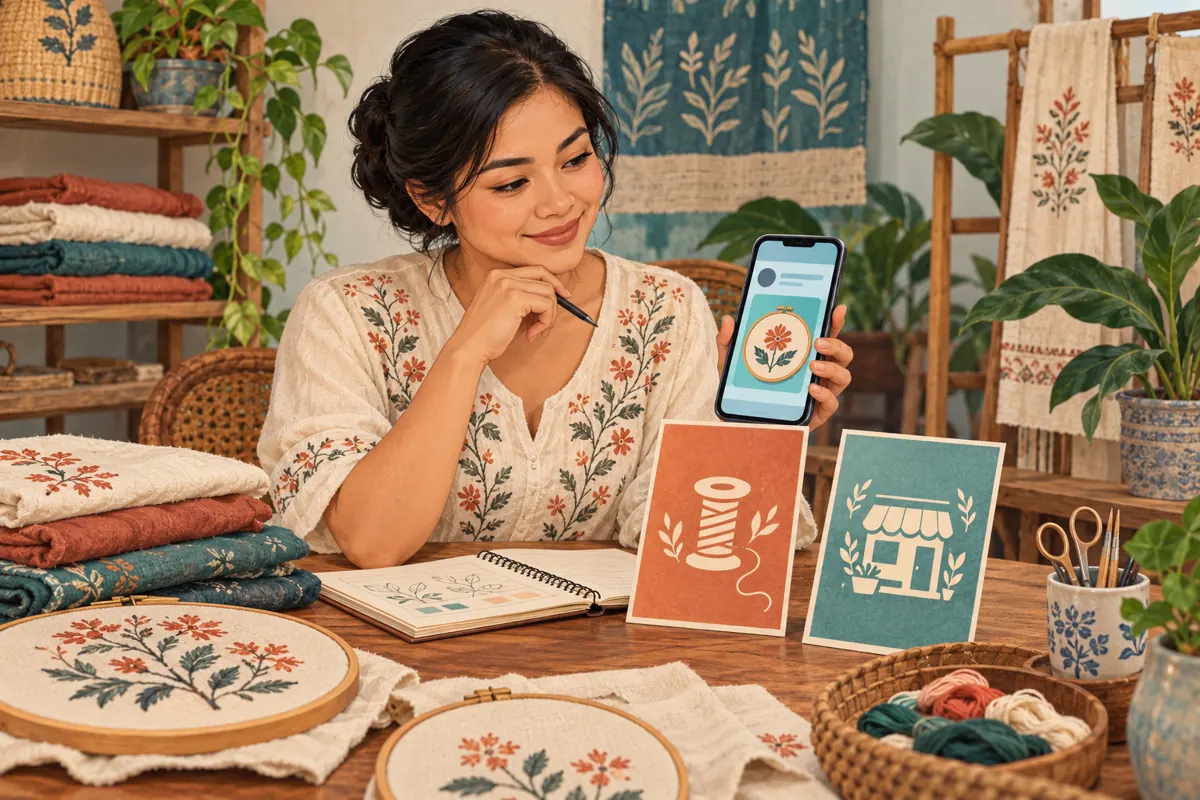
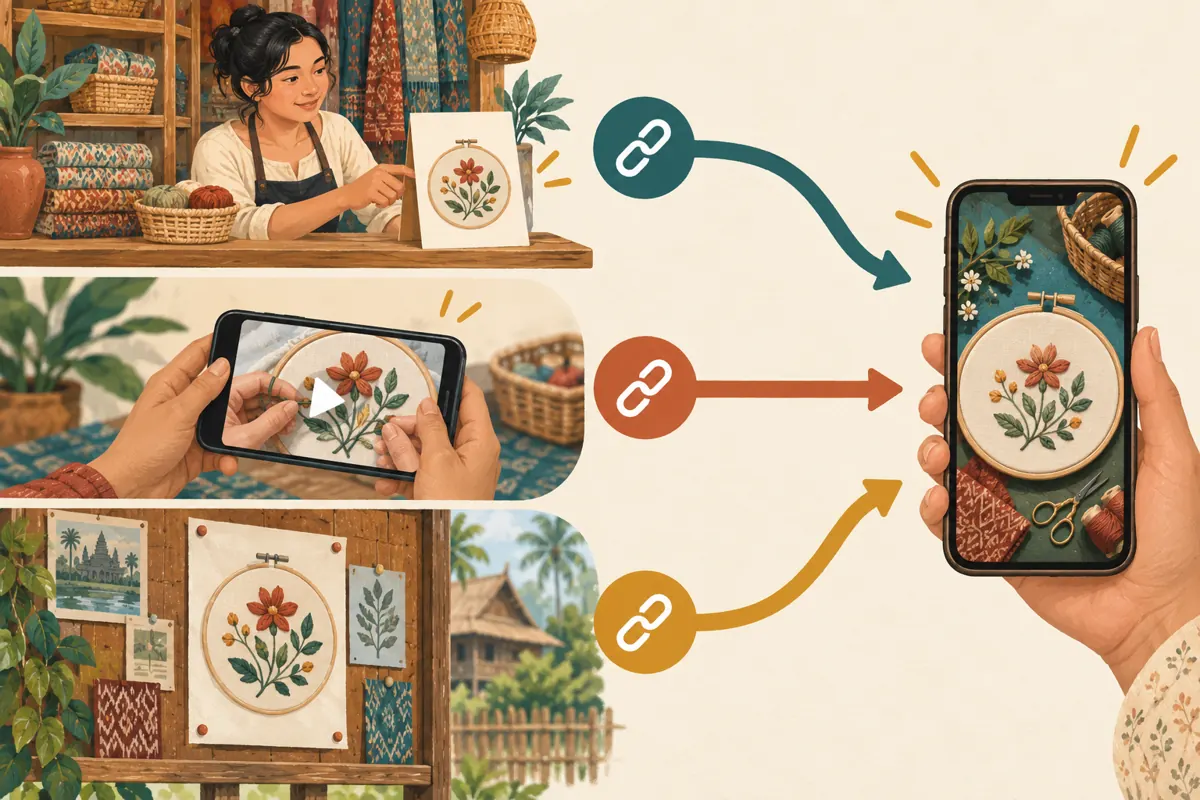
A Cambodian embroidery studio might promote the same beginner class through a craft-shop counter card, a demonstration video and a community noticeboard. When people join its Telegram information channel, the teacher needs to know which invitation route they used before deciding where to spend more effort. Separate invite links can make that question easier to investigate. They cannot establish why someone joined or whether that person will attend. This workflow connects each invitation to a recorded placement, checks the visitor experience and keeps membership evidence separate from booking records. It also gives SMM-panel customers a practical way to decide whether a listed service addresses their actual promotion problem.
1. Define the decision before creating links
Start with one question that could change your next action: should the studio refresh its counter card, improve its demonstration caption or continue working with a community organiser? Avoid asking which route is universally best. A poster near a fabric shop and a video shared online reach people in different circumstances. Your first review should identify routes worth investigating, rather than declare a permanent winner.
In a hypothetical Phnom Penh studio, the teacher wants adults to discover a beginner embroidery session taught in Khmer. The information channel explains the project, location, materials and enquiry contact. Joining that channel is the first observable action. Asking about a suitable session is a separate action, and accepting a confirmed booking is another. Write those distinctions into the promotion brief so staff do not describe every new subscriber as a prospective paying student.
2. Choose a destination suitable for prospective students
Use an information destination that makes sense for someone who has never visited the studio. Keep student payment details, attendance records and private class discussions elsewhere. A promotion link should open something the teacher is comfortable showing to an unknown visitor. Review the channel name, picture and introductory information together; a beautiful embroidery photograph cannot explain whether the offer is a lesson, a finished product or a materials kit.
Telegram distinguishes public channels, which have searchable usernames, from private channels accessed through invitations. Its Channels FAQ explains this distinction. Decide which arrangement serves the business before designing the measurement process. Do not change an established public channel merely to make a report appear tidier. If people can discover it through other routes, accept that some joins will remain outside your placement records. A useful record can be incomplete as long as its limits are clear.
3. Assign one invitation to each meaningful placement
Telegram’s official invite-link guide describes additional links, optional duration and usage limits, and visibility into which users joined through a link. It gives the management route as the group or channel profile, then Edit and Invite Links. Check the labels in your installed app before preparing staff instructions. Create a small set of additional links for the placements you actually intend to compare.
For the hypothetical studio, use internal labels such as Counter Card, Demo Caption and Community Board. Keep a register containing the exact link, destination, placement owner, start date and planned review date. Store the promotional artwork or caption reference beside it. These labels are your working convention, not evidence about visitors. If the counter card and video caption share one link, their joins cannot be separated using that link record. Conversely, creating a different link for every minor wording edit can produce more administration than useful learning.
4. Match access settings to the invitation’s lifetime
Telegram’s technical documentation confirms that private invite links can have an expiration date or usage limit, and can require administrator approval. Choose settings according to the invitation’s purpose. A temporary event handout may need a different lifetime from a card that remains beside a shop till. Record the actual setting and the intended removal date together, so someone knows when the physical promotion needs attention.
Do not use a join limit as a substitute for a class-capacity system. Someone may join only to read, while one person may enquire about attending with a friend. Seats should be managed in the booking process. For a Cambodian team, record review times explicitly in Cambodia time rather than leaving an unexplained date in a shared note. If the invitation closes before the printed card is removed, visitors encounter a failure that says little about their interest in embroidery.
5. Test the complete route before sharing widely
Ask a colleague who is not already a member to open the exact invitation from the finished promotional material. Confirm the destination name and image, whether entry works as intended, and whether the class information is understandable. Testing the original link in a staff chat does not verify that the designer placed that same link in the final artwork or that a caption was copied correctly.
For printed material, Telegram documents an option to turn an invite link into a QR code. Test a real print at its intended size and position. Record any test joins separately before the campaign begins. The article illustrations are explanatory artwork and contain no operational codes. A customer-facing card also needs a plain explanation of what opens after scanning: class information, for example, rather than an implied reservation. Keep the teacher’s contact route available for visitors who need help.
6. Make the class information answer the next question
Once the invitation works, examine what the visitor needs to decide. Show the actual beginner project and describe the expected starting skill, teaching language, location, session duration and included materials. Use photographs the studio has permission to publish. If the sample was made by an experienced teacher, identify it as a teaching sample instead of implying that every beginner will produce an identical result.
A hypothetical invitation could promise information about a small floral embroidery lesson. The destination should then explain that lesson before promoting unrelated products. Give a specific enquiry instruction: send the preferred session and whether materials are needed. Do not demand a full address or payment screenshot merely to answer an initial question. Clear information makes subsequent enquiries easier to interpret because staff can distinguish uncertainty about the offer from a request to book.
7. Read join records without inventing attribution
At the agreed review time, note the joining information available for each invitation and the period being reviewed. Also record practical differences: one card may have been displayed longer, a video may have been reposted, or a community organiser may have shared the invitation with another group. These circumstances matter before comparing routes. A link that was unavailable for part of the period has not had the same opportunity to work.
Treat a link record as evidence of the invitation used, not a complete discovery history. If a visitor forwards the counter-card invitation to a friend, the friend can use that same route without ever seeing the card. Someone might also watch a demonstration, search for the studio later and join another way. Ask an optional discovery question during a genuine enquiry when it would help, but keep the person’s answer distinct from the platform record. Leave unknown origins unknown.

8. Check whether an SMM service solves this problem
The supplied top-smm.com catalogue includes the exact public service name “Telegram - Channel Boost - For 1 days”. Its title identifies a channel-boost offering, but its description is empty. That information does not establish invitation tracking, Cambodian audience targeting, class enquiries or bookings. Do not turn the service title into a promise about what this workflow can measure.
Before considering a panel order, state the required outcome in ordinary language. If the problem is an expired invitation or an unclear class offer, fix that first. If the problem is understanding which placement brought members, use the invitation register and review process. Ask for documented service details when a listing is insufficient. Purchased engagement is not evidence of genuine interest, sales, ad delivery or Cambodian users. Record any paid service activity separately from voluntary enquiries, and do not attribute changes in membership to a promotion route without supporting evidence.
9. Use the review to choose one concrete improvement
Bring the invitation record and enquiry notes together without merging their meanings. In a hypothetical review, the community-board route produces joins, but the people who enquire repeatedly ask whether the class is suitable for beginners. That pattern suggests improving the explanation of starting skill. It does not prove the organiser sent an unsuitable audience. Another route might produce fewer joins but useful questions about available dates; that deserves attention too.
Choose one manageable change for the next round: clarify the project photograph, move the counter card to a visible position, or make the enquiry instruction more specific. Record what changed and when. Avoid calling the exercise a controlled experiment when the audiences, timing and placements differ. Its practical value is helping a small studio make better-informed decisions, including the decision to improve existing promotion before buying additional exposure.
10. Prevent common errors and retire old invitations
The most damaging mistakes are often administrative: copying the wrong invitation into a new caption, reusing one link across supposedly separate placements, counting staff tests as campaign joins, or confusing subscribers with reserved seats. Assign one person to maintain the register and another to check the finished material. Keep aggregate review notes suitable for wider discussion; avoid sharing member identities when they add nothing to the decision.
When a campaign ends, record the final review and decide which invitations should remain usable. Telegram’s FAQ states that revoking an invite link stops it working immediately. Coordinate that action with removing or replacing posters and captions. If the studio still wants enquiries for future classes, provide a current route before withdrawing the old promotion. Keep enough history to understand the decision later, including unresolved questions, rather than rewriting an uncertain outcome as a success story.

Frequently asked questions
Does a join through the shop-counter link prove that someone visited the shop?
No. The invitation may have been forwarded or photographed and shared elsewhere. Describe the result as a join through that invitation. If the discovery location matters, ask during an ordinary enquiry and record the answer separately. Do not infer residence, nationality or attendance plans from the link alone.
Should every new class have a separate Telegram channel?
Not necessarily. If the studio offers a continuing programme, one well-maintained information channel may be easier for visitors and staff. Separate invitations can organise promotion routes without multiplying destinations. Create another channel only when the audience or information needs justify the extra maintenance, rather than solely for a cleaner spreadsheet.
What should we do when an invitation records no joins?
Check whether it was actually displayed, whether the finished material contains the intended link, and whether access remained available. Then examine the offer and placement. No recorded joins do not tell you how many people noticed the promotion or why they did not act. Repair a verified fault before judging audience interest.
Can a link’s usage limit control the number of class bookings?
It should not be your booking control. Joining for information is different from reserving a seat, and an enquiry may cover more than one attendee. Confirm availability and booking requirements through a separate process. Make that distinction visible so visitors do not assume that entering the channel secures a place.
When is it reasonable to spend more on promotion?
First establish that visitors can reach accurate information and receive useful replies. Then review genuine enquiries, confirmed bookings and the staff effort involved. More spending may be reasonable when the offer and response process work, but invitation records alone cannot forecast returns. An unclear SMM listing is a reason to obtain details, not assume a result.
Explore the current service catalogue, create an account, or ask a specific question through support tickets.
- Telegram: Auto-Delete, Widgets and Expiring Invite Links
- Telegram Technical Documentation: Invite Links
- Telegram Channels FAQ
- Telegram FAQ
Prepared with AI assistance. Illustrations explain the workflow and do not represent customer results.