22/10/2026 19:17
Old Offer Inside a Useful Demo? YouTube Trimming for Cambodian Fan-Repair Shops

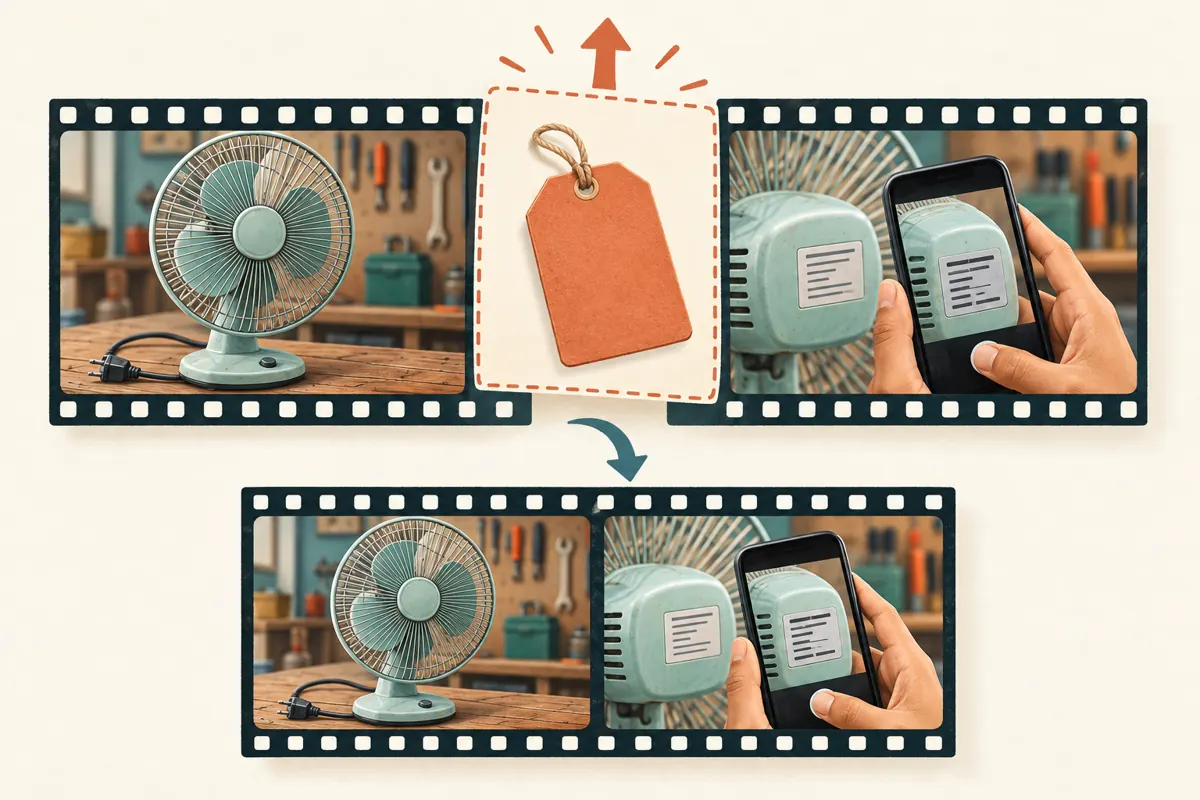
A useful shop video can outlive the promotion recorded inside it. Customers may still need to see where a fan’s model label sits, even after the collection offer mentioned halfway through the demonstration has ended. For a Cambodian repair business, sharing that video again can create avoidable disagreements about what is included. The solution starts with an editorial decision: can the outdated passage be removed without changing the meaning of the remaining explanation? This guide shows how to make that decision, prepare a careful YouTube trim and check the result before further social promotion or an SMM service review.
1. Define the exact misunderstanding you need to remove
Consider a hypothetical fan-repair shop in Phnom Penh. Its video explains how customers can photograph an accessible model label before asking whether the shop handles that model. Between two useful scenes, the presenter mentions a temporary collection offer. The offer has ended, but staff still send the video when answering enquiries. Customers reasonably hear the spoken offer as part of the current service.
Write the problem as one sentence: viewers may believe collection is included when it is no longer included. This is more useful than an instruction to freshen the video. It identifies the claim that must disappear and the information that must survive. Record every occurrence: speech, an on-screen card, the closing invitation and any surrounding promotional copy. Removing one appearance while leaving another creates an inconsistent message.
2. Choose between a trim and a newly recorded explanation
A trim is a good candidate when the expired offer occupies a self-contained passage. In the hypothetical shop video, the presenter finishes explaining the model photo, discusses collection, then starts a separate sentence about sending an enquiry. Removing the middle passage could leave a complete and accurate guide. Listen to the proposed join before deciding.
Choose a fresh recording when the old promise runs through the demonstration. Perhaps the presenter repeatedly says that every repair includes collection, or the offer card covers the model label throughout. Removing all those sections could leave a confusing fragment. YouTube’s replacement guidance says that a new upload receives a new URL; it cannot replace the existing video file at its old address. Treat that as a distribution task: identify the customer messages, website links and promotional materials that would need the new destination.
3. Make a cut sheet before opening the editor
Prepare a short working note with the video title, public URL, original recording location and proposed removal boundaries. Describe the spoken sentence at each boundary as well as its time. A time alone is easy to misread; a note such as “after the model-photo explanation, before the collection offer” helps another reviewer find the same moment.
In a hypothetical example, an offer occupies 00:42 to 01:03. Those times are illustrative editing coordinates, not a recommendation for another video. Watch several seconds on both sides and mark where complete words and actions begin. Keep a copy of the original recording before changing anything. Assign one person to propose the cut and another, where practical, to assess what a first-time customer would understand. Give the reviewer the intended message, not just the instruction to approve an edit.
4. Use YouTube’s trimming controls deliberately
YouTube’s official trimming guide describes a computer workflow: open Studio, select Content, choose the video, then open Editor and Trim & cut. For a middle passage, choose New Cut, set the removal boundaries and confirm the cut. Use Preview before Save. For an opening or ending trim, adjust the blue box around the material to keep.
The guide says trimming preserves the URL, view count and comments and is available for videos shorter than six hours. Some unedited videos above 100,000 views have saving restrictions, with an exception for YouTube Partner Program channels. Since June 2025, saved editor changes cannot be undone through Revert to original. Check the official guide linked in the sources if your controls or eligibility differ. Treat Save as a deliberate final decision, not an experiment.
5. Check that the cut preserves the Khmer explanation
For a Khmer-speaking presenter, listen to the entire sentence across the proposed join. A visually tidy edit can remove the phrase that limits a promise. If the surviving audio says “we collect it” while the removed section contained the conditions, the edit has made the offer broader rather than corrected it. Ask a fluent reviewer to explain the surviving message in their own words.
Watch the hand movements as well. A presenter may point to a label before the cut and refer to “this number” afterward. If the reference disappears, customers lose the instruction. Preserve enough context to identify the object, the requested photo and the next step. The guide should help customers prepare an enquiry without implying that a model photo confirms repairability, a price or an appointment. Those decisions still require the shop’s actual assessment.
6. Review the surrounding material as a customer would
After the edited version is available, check the public watch page and listen on a phone. Review the title, thumbnail, description, subtitles and any time-based navigation against what now plays. Do not assume that removing a passage has made every surrounding reference accurate. A chapter labelled for the expired offer or a subtitle carrying its wording deserves attention even if the main picture looks correct.
Then inspect the places where the shop shares the video. In this hypothetical Cambodian workflow, those might include a Telegram enquiry reply, a Facebook post and a printed card at the counter. A preserved video address does not make old accompanying promises current. Replace wording such as “watch our free collection offer” with an accurate explanation of the guide’s purpose. Check any links that jump to a particular moment, because their usefulness depends on the revised sequence.
7. Keep SMM catalogue claims separate from the editing decision
The supplied top-smm.com catalogue includes the exact public service name “YouTube Like ~ Max 200k ~ 100k/days ~ Instant ~ 𝐍𝐎 𝗥𝗘𝗙𝗜𝗟𝗟”. Its name presents it as a YouTube likes service, but the supplied description is empty. The label alone does not establish delivery methods, audience location, genuine interest or suitability under YouTube’s rules. Its speed and quantity wording should not be treated as independently verified performance.
YouTube’s fake engagement policy prohibits artificially increasing metrics and warns that a hired promoter’s actions can affect a channel. Do not purchase artificial engagement to make the revised guide appear trusted. If reviewing an SMM proposal, require a clear explanation of the actual method and reject prohibited metric inflation. Purchased engagement is not evidence of Cambodian viewers, repair enquiries, sales or advertising delivery. Correcting the video also does not change an existing service order’s terms; keep any order questions separate from the content review.

8. Share the revised guide around one useful customer action
Once the guide is accurate, introduce it with a specific purpose: helping customers show which fan they own before discussing service. In a hypothetical reply, staff might write, “This guide shows the model photo we need for an initial enquiry. Send that photo and describe the problem; we will confirm the next step.” Adapt the message into the language the customer uses.
Avoid attaching a new broad promise just because the old one has been removed. If collection depends on location, availability or a separate charge, explain the current arrangement when relevant and confirm it individually. The promotional value of the guide is that it reduces uncertainty. Staff can share it when someone asks what information to provide, while public posts can explain why a clear model photo helps. Neither use requires a claim that watching the video secures a booking.
9. Evaluate whether enquiries become clearer
Keep a simple record of misunderstandings that motivated the edit. Note whether customers still mention the expired offer, whether they supply the requested model photo and which questions remain unanswered. Record observations without treating a small sample as proof of improvement. A busy week, different staff responses or a new sharing location could also change the enquiries received.
Separate video exposure from service outcomes. A view does not establish that someone watched the relevant explanation, lives within the collection area or wants a repair. A useful enquiry contains the information needed for the next conversation; a confirmed booking requires a separate agreement. If customers repeatedly ask about the same missing detail, revise the explanation or staff reply. Do not respond to uncertainty by merely seeking a larger visible count.
10. Avoid shortcuts that create a second correction
The most common editorial shortcut is cutting exactly around the unwanted words without checking the sentence they leave behind. Another is shortening every pause until viewers cannot follow the object being shown. Preserve useful viewing time around the model label. This is a customer guide, so clarity matters more than removing every quiet moment.
A second group of mistakes concerns handover. Staff may continue using an old introduction, assume a description correction cancels a spoken promise, or share the link before checking the finished result. Give the team one concise release note: what was removed, what the guide now explains and which reply wording to use. Keep the original recording and the cut sheet together. For future videos, place temporary offers in clearly separate segments so that the enduring demonstration remains easier to maintain.

Frequently asked questions
Is changing the description enough when the old offer is spoken aloud?
It may leave two conflicting messages. A customer could watch the demonstration without reading the description, then reasonably ask for the spoken offer. Assess the video itself. Remove a self-contained outdated passage where the remaining explanation stays accurate, or prepare a new recording if the promise is woven throughout.
What if the offer and an essential model explanation occupy the same sentence?
Do not cut away essential context merely to preserve an existing upload. Try describing the intended surviving message on paper. If it cannot be assembled from complete, accurate passages already recorded, a new explanation is the clearer option. Plan how staff will distribute its new destination.
Should we remove comments from customers asking about the old offer?
Do not treat an ordinary question as a problem to hide. Where appropriate, answer with the current arrangement and explain that the demonstration has been updated. Avoid disclosing a customer’s private repair details. A transparent response can clarify the change for later readers without turning the comment into a sales testimonial.
Can a panel delivery report show that Cambodian customers understood the revised guide?
No. An order record describes an administrative or delivery claim, not comprehension, location or buying intent. Look at relevant voluntary enquiries and the information customers provide. Even those observations need context; they do not prove that the edit alone caused a booking or sale.
How can we make the next video easier to update?
Record the enduring explanation as a complete unit with its own beginning and ending. Keep temporary offers separate, state their conditions clearly and retain the original footage. Avoid referring to the promotion repeatedly inside the instructional section. This gives a future editor cleaner options when business arrangements change.
Explore the current service catalogue, create an account, or ask a specific question through support tickets.
- YouTube Help: Trim your videos
- YouTube Help: Replace or delete your video
- YouTube Help: Fake engagement policy
Prepared with AI assistance. Illustrations explain the workflow and do not represent customer results.